Exception Management in Logistics: From Visibility to Action
Shipment visibility tells you where your cargo is. Exception management tells you what needs your attention. Discover how logistics teams can identify delays, risks, and disruptions faster and turn shipment data into actionable decisions.

In today's global supply chains, visibility has become a standard expectation. Most logistics teams can track containers, monitor vessel movements, and receive ETA updates.
However, knowing where a shipment is does not necessarily mean knowing when action is required.
This is where Exception Management becomes critical.
Rather than asking logistics professionals to monitor hundreds or thousands of shipments individually, exception management helps them focus on the shipments that require attention. It transforms visibility from a passive monitoring tool into an active decision-support process.
What Is Exception Management?
Exception Management is the process of identifying, prioritizing, and responding to events that deviate from the planned transportation process.
A shipment moving according to schedule does not necessarily require intervention. A shipment facing delays, disruptions, or operational risks may require a closer look.
The objective is simple:
Don't show me everything. Show me what needs my attention.
This approach enables logistics teams to reduce manual monitoring, respond faster to disruptions, and improve communication with customers and internal stakeholders.
Why Traditional Tracking Is Not Enough
Modern supply chains generate enormous amounts of data.
A global freight forwarder or cargo owner may have hundreds or thousands of shipments in transit simultaneously. Reviewing each shipment individually is both inefficient and difficult to scale.
Without an exception management approach, logistics teams can face:
- Information overload
- Delayed responses to disruptions
- Increased operational workload
- Higher risk of missed changes
- More difficult customer communication
- Additional transportation and operational costs
The value of shipment visibility becomes greater when teams can quickly identify which shipments have changed and which situations may require attention.
Common Logistics Exceptions That Require Attention
Not every shipment event has the same operational impact. Exception management helps teams focus on specific situations that may affect transportation plans.
Delayed Shipments
One of the most common logistics exceptions occurs when actual or predicted transit times deviate from the original plan.
Delays can result from port congestion, weather events, equipment shortages, labor disruptions, vessel schedule changes, or other operational factors.
Early identification gives businesses more time to review inventory plans, communicate with customers, and adjust downstream operations.
Transshipment Pending Shipments
Many international shipments rely on transshipment hubs to reach their final destination.
When a container remains at a transshipment port longer than expected, there may be a risk of a missed connection or additional delay.
Monitoring these shipments helps logistics teams identify situations that may require further investigation or follow-up.
Not Released Shipments
A shipment may arrive at its destination port but remain unreleased due to documentation, customs, payment, or other operational processes.
If these situations are not addressed in time, they may contribute to additional storage, demurrage, or detention costs depending on the shipment and local conditions.
Identifying unreleased shipments gives relevant teams an opportunity to investigate and take action earlier.
Geopolitical Risk-Affected Shipments
Global supply chains are increasingly exposed to geopolitical developments.
Regional conflicts, sanctions, military tensions, and trade restrictions can affect shipping routes, vessel schedules, and transit times.
Recent disruptions in areas such as the Red Sea have demonstrated how events outside a shipment's original route can create consequences across global shipping networks.
Exception-focused monitoring can help logistics teams identify potentially affected shipments and evaluate whether additional action or contingency planning is required.
Port Strike-Affected Shipments
Labor disputes and port strikes can create significant operational disruptions.
When a major gateway experiences a work stoppage, vessels may face delays, diversions, or congestion at alternative ports.
Identifying shipments connected to affected ports allows teams to focus their attention on the shipments potentially exposed to the disruption.
The Business Benefits of Exception Management
A structured exception management approach can help organizations improve both operational efficiency and responsiveness.
Key benefits include:
- Faster identification of shipment issues
- Reduced manual monitoring
- Earlier response to potential delays
- Better customer communication
- More focused operational workflows
- Improved resource allocation
- Greater visibility into supply chain risks
- Better support for proactive decision-making
Instead of spending time monitoring every shipment equally, teams can allocate their attention based on what has changed and what may require action.
From Visibility to Action
The logistics industry is gradually moving beyond basic tracking capabilities.
The next stage of supply chain visibility is not simply knowing where a shipment is. It is understanding whether something has changed, why it matters, and whether someone needs to act.
Visibility tells you what is happening.
Exception management helps you identify what needs attention.
As supply chains become more complex and disruptions continue to affect transportation networks, the ability to identify meaningful exceptions can become an important part of daily logistics operations.
How ShipsGo Supports Exception Management
At ShipsGo, visibility is only part of the equation.
Our platform helps logistics professionals identify shipments that need attention through exception-focused reports, monitoring capabilities, and automated notifications.
Exception Reports
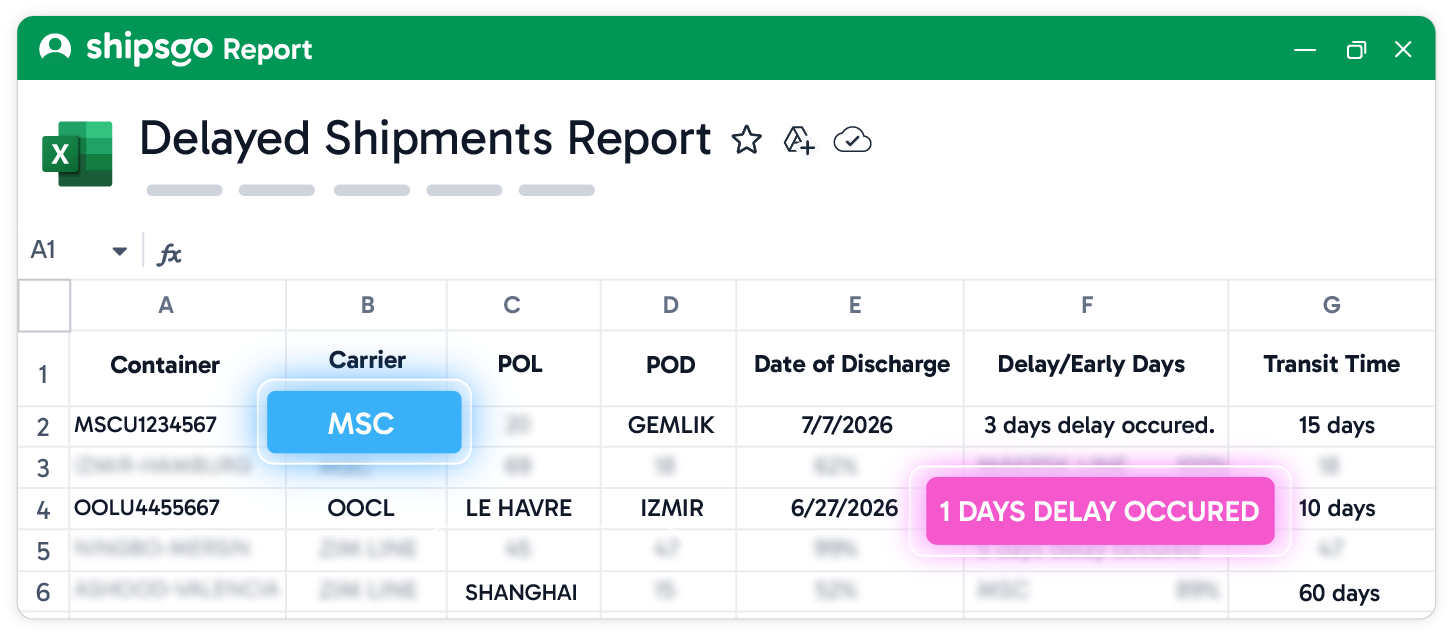
ShipsGo provides dedicated reports to help logistics teams identify shipments that may require attention, including:
- Delayed Shipments Reports
- Transshipment Pending Reports
- Not Released Shipments Reports
- Port Strike-Affected Shipments Reports
- Strait of Hormuz Impact Reports
- Region-Specific Risk Reports for potentially affected shipments
These reports make it easier for teams to filter their shipment portfolio and focus on specific exceptions instead of manually reviewing every shipment.
Monitoring and Notifications
Exception management can also be supported through ongoing shipment monitoring and automated data delivery.
ETA Change Alerts help teams stay informed when expected arrival dates change, making it easier to identify potential delays and review their operational impact.
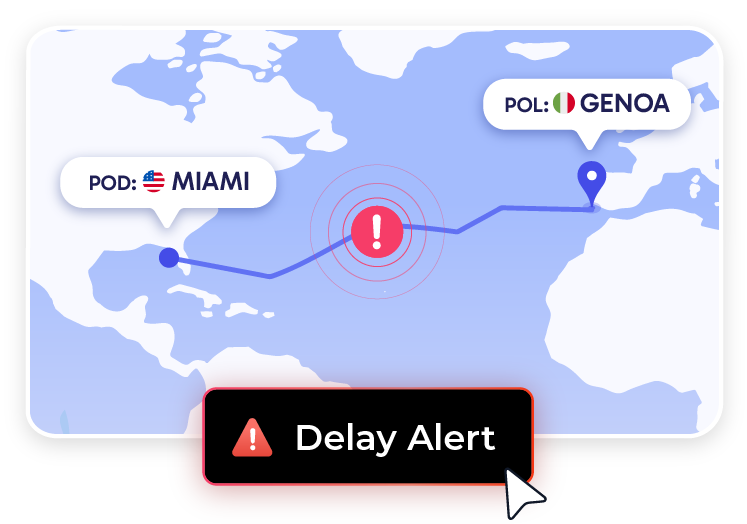
Port Congestion Risk Monitoring helps logistics teams identify potential risks around congested ports and assess which shipments may be affected.
For companies that want to integrate shipment visibility into their own workflows, Webhooks can deliver shipment updates directly to their systems.
Together, these capabilities help freight forwarders, cargo owners, and logistics service providers focus on the shipments that matter most, enabling faster responses and more proactive supply chain management.
In modern logistics, success is not determined by how much information you receive.
It depends on how quickly you identify the exceptions that matter and act before they become problems.

Real-Time Shipment Tracking
 Ecem Kalaycı
 Ecem Kalaycı