
What Does Container Gate-In Mean?
Container gate-in marks the moment a container physically enters a port, terminal, or depot. Understanding this event is key to managing demurrage costs, documentation timelines, and real-time supply chain visibility — and platforms like ShipsGo make tracking it effortless.

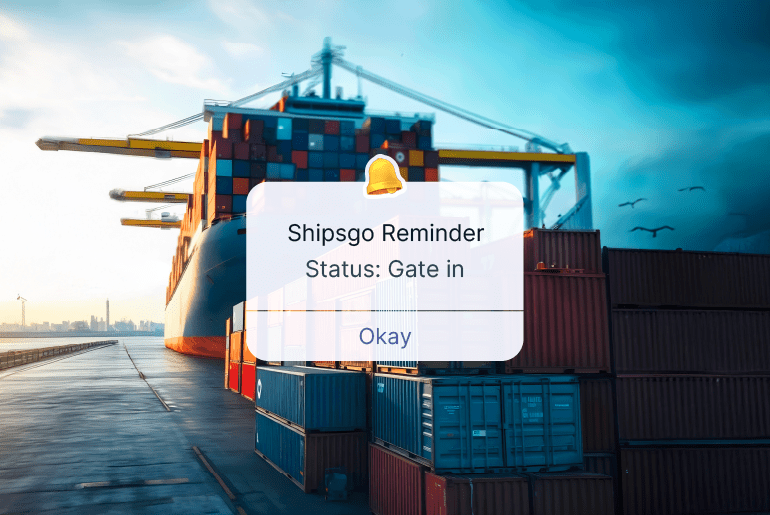
If you work in shipping or logistics, you've likely come across the term "gate-in." But what does container gate-in actually mean, and why does it matter?
Container Gate-In Definition
Gate-in refers to the exact moment a container physically enters a port, terminal, or depot facility. In other words, once a container passes through the gate and is logged into the terminal operator's system, the "gate-in" event has occurred.
This term is commonly used in the following scenarios:
- Export process: When a loaded (full) container is delivered to the terminal for vessel loading
- Import process: When an empty container enters a depot for return
- Yard operations: Whenever a container's entry into any yard or terminal is recorded
Gate-In vs. Gate-Out
- Gate-in: The container entering the terminal or yard
- Gate-out: The container leaving the terminal or yard
These two events serve as critical reference points for tracking a container's position throughout the supply chain.
Why Does Gate-In Matter?
- Creates a timestamp: The gate-in date is used as the reference point for calculating demurrage and storage charges.
- Triggers documentation: Bill of Lading (B/L) issuance and customs procedures are often tied to the gate-in record.
- Provides supply chain visibility: Importers and exporters rely on gate-in/gate-out data to know exactly where a container is.
How to Track Gate-In Events
Manually tracking gate-in events can be time-consuming and prone to error. This is where container tracking platforms like ShipsGo come in. ShipsGo lets you enter your container number or B/L number to see all movements — including gate-in, gate-out, loading, and discharge — in real time on a single dashboard. Instead of waiting on updates, logistics teams get instant notifications and can manage the process proactively.
In Summary
Container gate-in is a fundamental logistics term describing the moment a container physically enters a terminal or depot. Accurately tracking this event is essential for cost control, on-time delivery, and supply chain transparency. With tools like ShipsGo, tracking gate-in has never been faster or easier.

Real-Time Shipment Tracking