
Container Shipping Delays: Causes, Impacts & How to Reduce Them in 2026
Container shipping delays remain one of the biggest challenges in global logistics. Learn why delays happen, their business impact, and how real-time tracking helps you stay ahead.

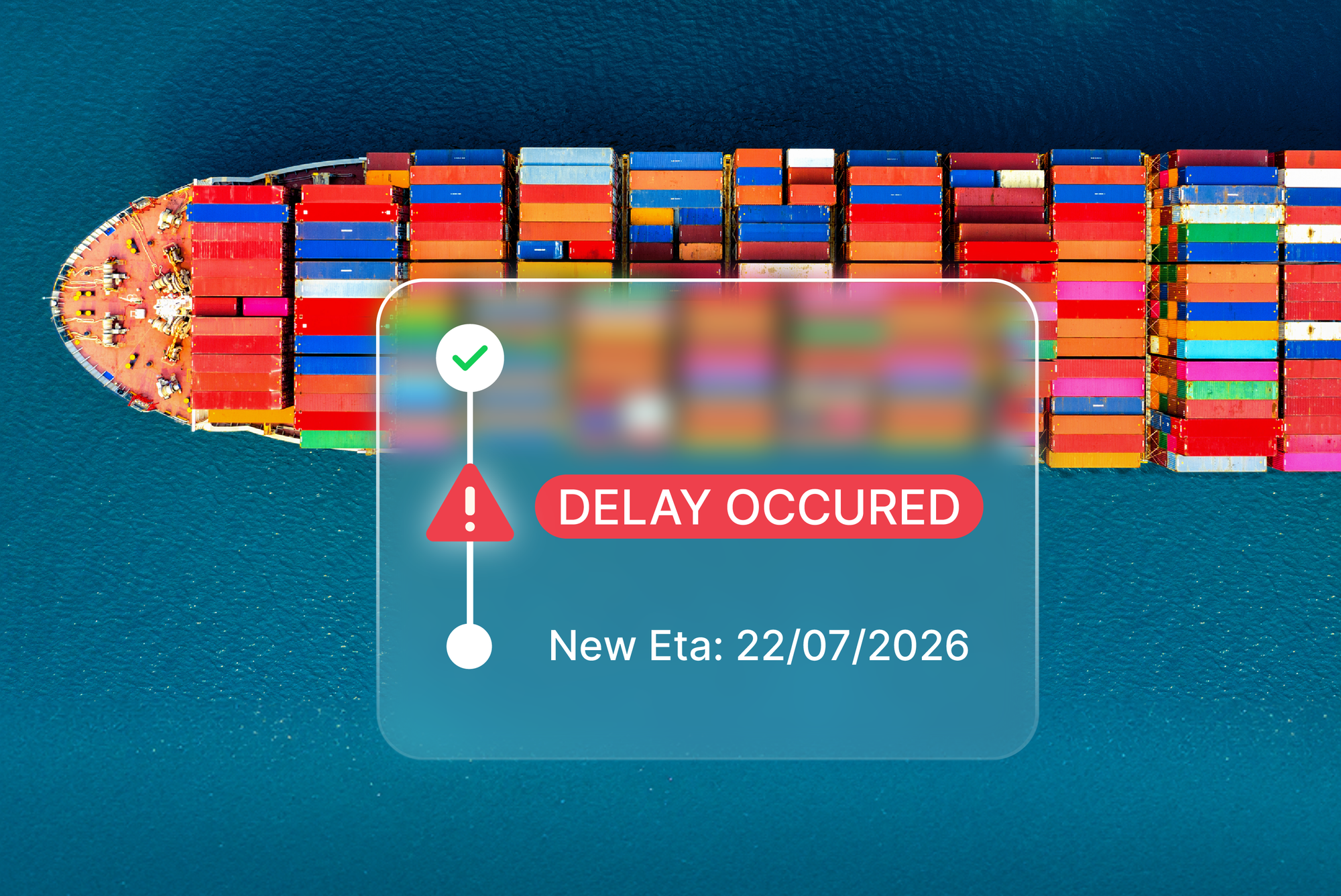
Container shipping delays can happen at any stage of the supply chain. In 2026, factors such as port congestion, customs inspections, extreme weather, and geopolitical tensions around key trade routes like the Strait of Hormuz continue to disrupt global shipping schedules. This guide explains the most common causes of delays and how real-time shipment visibility can help you stay ahead.
What Causes Container Shipping Delays?
1. Port Congestion
Busy ports often experience vessel queues, slower container handling, and limited berth availability.
Common congestion hotspots include:
- Singapore
- Rotterdam
- Los Angeles
- Shanghai
- Antwerp
Congestion may add several days to transit times depending on the trade lane.
Tip: Before booking your next shipment, check port congestion and operational conditions with ShipsGo Port Congestion to avoid unexpected delays and choose the most efficient routing.
2. Weather Conditions
Extreme weather remains one of the biggest uncontrollable factors.
Examples include:
- Typhoons in Asia
- Hurricanes in North America
- Heavy fog
- Strong winds
- Rough seas
Shipping lines may reroute vessels or delay departures to ensure safety.
3. Customs Inspections
Unexpected customs examinations can delay cargo even after vessels arrive.
Delays may occur because of:
- Missing documentation
- Incorrect HS Codes
- Random inspections
- Regulatory compliance checks
4. Blank Sailings
Shipping lines sometimes cancel scheduled sailings to optimize capacity or respond to market conditions.
This may postpone shipments by several days or even weeks.
5. Geopolitical Disruptions
Global trade routes continue to be affected by geopolitical events.
Examples include:
- Red Sea disruptions
- Strait of Hormuz security concerns
- Regional conflicts
- Trade sanctions
These events often force carriers to reroute vessels, increasing transit times and operational costs.
6. Equipment Shortages
Even when vessels operate normally, shortages of empty containers, chassis, or terminal equipment can delay cargo movement.
The Cost of Shipping Delays
Shipping delays affect far more than delivery dates.
Businesses may experience:
- Demurrage charges
- Detention fees
- Missed production schedules
- Inventory shortages
- Higher transportation costs
- Reduced customer satisfaction
For supply chains operating on just-in-time inventory, even short delays can create significant operational challenges.
How to Reduce the Impact of Shipping Delays
While delays cannot always be prevented, businesses can reduce their impact by improving shipment visibility.
Best practices include:
- Monitor containers in real time
- Receive ETA updates automatically
- Track vessel progress
- Monitor milestone changes
- Share shipment updates with customers
- Plan inventory using predictive ETAs
How ShipsGo Helps You Stay Ahead
With ShipsGo Ocean Tracking, logistics teams can monitor shipments across more than 160 ocean carriers from a single dashboard.
Key features include:
- Real-time container tracking
- ETA Prediction
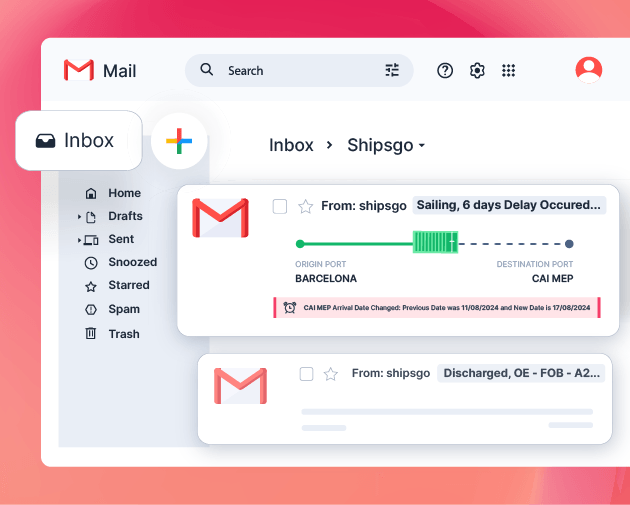
- Delay & Early Arrival Alerts
- Container milestone notifications
- Vessel position monitoring
- API integration
- Email notifications
Instead of checking multiple carrier websites manually, users receive automatic updates whenever shipment statuses change.
Track Your Containers Before Delays Become Costly
Stay informed with real-time shipment visibility, automatic ETA updates, and proactive delay notifications.

Real-Time Shipment Tracking