
Empty Container Return: Meaning, Process, Detention Costs & Tracking Guide
Empty container return is the process of returning a shipping container to a carrier-designated depot after unloading cargo. Learn how it works, why it matters, and how to track empty return milestones with Shipsgo.

What Is Empty Container Return?
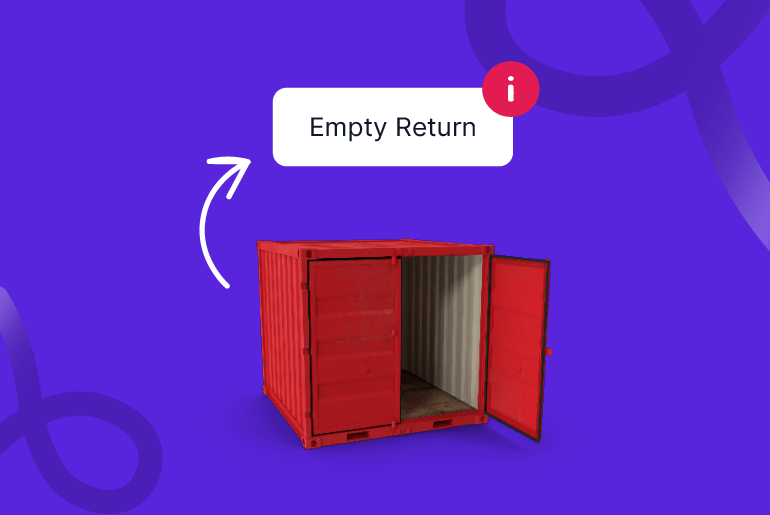
After cargo is unloaded from a shipping container, the empty equipment must be returned to a depot or terminal designated by the shipping line. This process is known as empty container return.
Returning containers on time is a critical step in international logistics. It allows carriers to reuse equipment efficiently while helping importers and freight forwarders avoid unnecessary detention charges.
Most carriers specify where and when an empty container should be returned. Missing this deadline can increase logistics costs and disrupt future operations.
Empty Container Return at a Glance
| Question | Answer |
|---|---|
| What is Empty Container Return? | Returning an empty container after cargo unloading |
| Who decides where to return it? | The shipping line |
| Why is it important? | Prevents detention charges and improves equipment availability |
| Where is it returned? | Carrier-designated depot or terminal |
| Can it be tracked? | Yes, with container tracking systems like Shipsgo |
How Does the Empty Container Return Process Work?
The process usually follows these steps:
1. Cargo Is Discharged
The container arrives at the destination port and is discharged from the vessel.
2. Container Is Picked Up
The importer or trucking company collects the container from the terminal.
3. Cargo Is Unloaded
Goods are removed at the consignee's warehouse or distribution center.
4. Empty Container Is Returned
The empty container is delivered to the depot or terminal assigned by the shipping line.
5. Container Becomes Available Again
After inspection, the carrier can reuse the container for another shipment.
Why Is Empty Container Return Important?
Returning containers promptly benefits everyone involved in the supply chain.
Avoid Detention Charges
Most carriers provide a limited number of free days for keeping the container after pickup. Returning it after this period usually results in detention fees.
Improve Equipment Availability
Shipping lines rely on returned containers to support future export shipments and maintain equipment availability.
Reduce Operational Delays
Timely returns help trucking companies, freight forwarders, and terminals maintain efficient operations.
Support Sustainable Logistics
Reusing containers efficiently reduces unnecessary repositioning and contributes to a more balanced container network.
What Happens If You Return the Container Late?
If the container is returned after the allowed free period, the shipping line may apply detention charges.
Detention fees vary depending on:
- Shipping line
- Country
- Container type
- Number of overdue days
- Carrier tariff
Since each carrier has different policies, checking your free time and return deadline is essential.
Common Reasons for Empty Return Delays
Several operational issues can delay an empty container return:
- Incorrect depot information
- Depot capacity limitations
- Truck appointment delays
- Port congestion
- Customs inspections
- Documentation issues
- Carrier changing the assigned depot
Monitoring shipment milestones helps logistics teams react quickly when these situations occur.
Empty Container Return vs. Empty Container Repositioning
Although these terms sound similar, they describe different processes.
| Empty Container Return | Empty Container Repositioning |
|---|---|
| Performed after cargo delivery | Managed by the shipping line |
| Responsibility of the consignee | Responsibility of the carrier |
| Ends detention responsibility | Balances equipment across regions |
| Returns container to designated depot | Moves empty containers to high-demand locations |
Track Empty Container Returns with Shipsgo
Knowing exactly when an empty container should be returned helps logistics teams stay ahead of deadlines.
With Shipsgo Container Tracking, you can monitor your shipment throughout its journey and receive milestone updates for supported carriers, including Empty Return events.
Shipsgo helps you:
- Track shipments using Container, Booking, or Bill of Lading numbers
- Monitor shipment milestones in one place
- Receive automatic email notifications
- Improve shipment visibility
- Reduce the risk of detention charges
- Support better logistics planning

Real-Time Shipment Tracking