
The Hormuz Effect on Container Transit Times
A Data-Driven Analysis
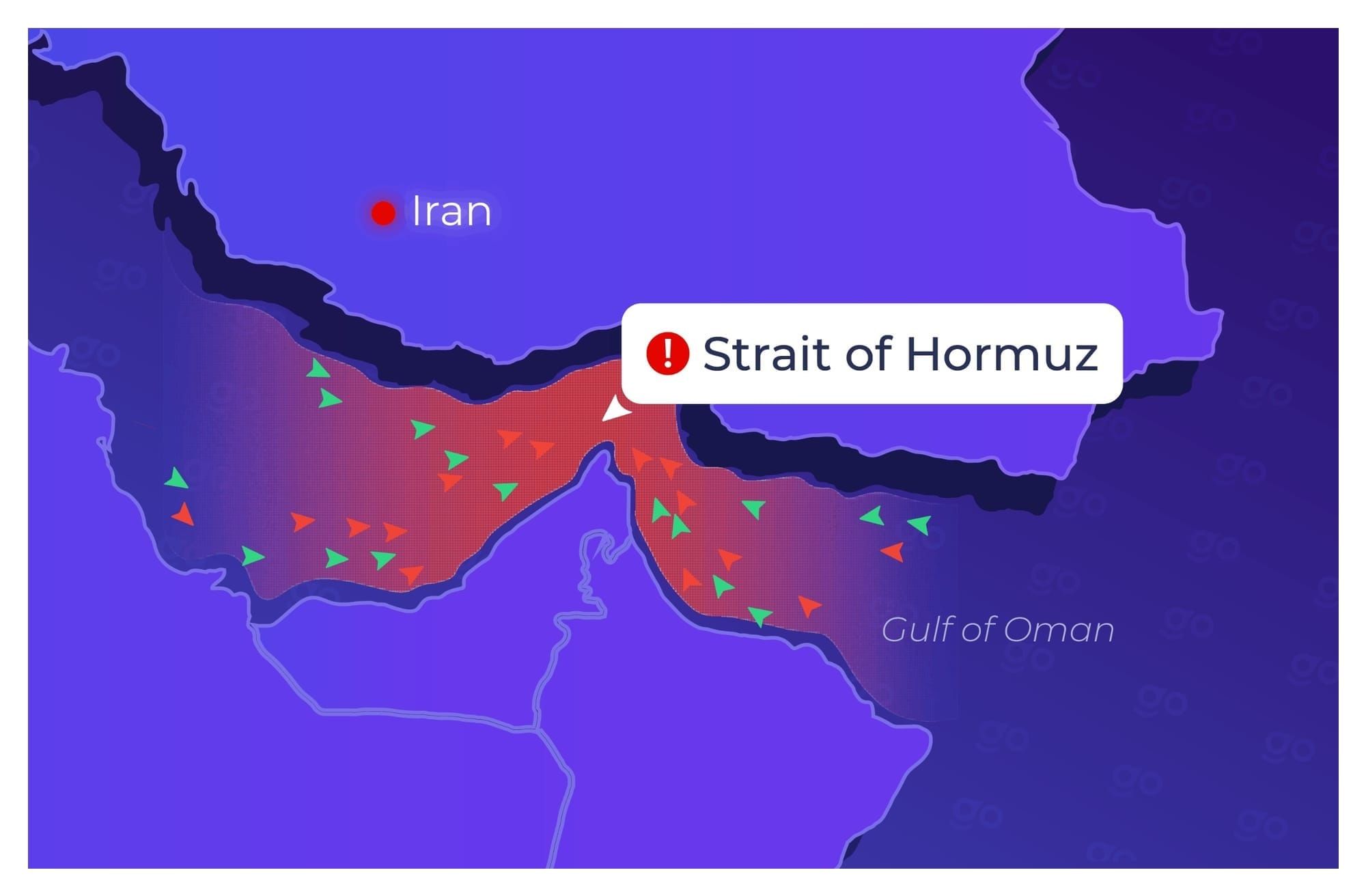
The Strait of Hormuz is one of the most critical maritime chokepoints in global trade. While disruptions in the region are often associated with energy markets, their impact on container shipping, transit times, and supply chain reliability is equally significant.
Using shipment visibility anonymous data from Shipsgo, we analyzed how container transit times changed across key trade lanes before and after the recent Hormuz disruption. The results reveal a clear and measurable deterioration in shipping performance, lead times, and supply chain predictability.
Transit Times Increased Across All Major Trade Lanes
The most immediate impact of the disruption has been a sharp increase in transit times.
Across the analyzed routes, average transit time increased from approximately 28 days to more than 60 days, meaning shipments that previously took around four weeks are now taking close to two months.
This increase is consistent across multiple Asia–Middle East and Europe–Middle East shipping routes, indicating a systemic disruption rather than isolated delays.
The Most Affected Shipping Corridors
- Ningbo – Umm Qasr: +54 days
- Shanghai – Jebel Ali: +40 days
- Port Klang – Haifa: +45 days
Why Are Container Transit Times Increasing?
The rise in transit times is not only due to longer sailing distances.
Container shipping operates as a highly interconnected network. When disruptions occur, carriers must:
- Redesign shipping routes
- Adjust vessel rotations
- Reroute cargo through alternative ports
- Rebalance capacity across regions
These changes create network-wide ripple effects.
As cargo is redirected, congestion builds at key transshipment hubs, increasing waiting times between connections and extending overall transit duration.
In short, the disruption triggered a global network slowdown, not just a regional delay.
The Business Impact of Longer Transit Times
Extended transit times have direct consequences for cargo owners, freight forwarders, and supply chain teams.
Increased Inventory Costs
Goods remain in transit longer, increasing working capital requirements and reducing inventory turnover.
Lower Forecast Accuracy
Uncertain lead times make demand planning more difficult and increase the need for safety stock.
Reduced Supply Chain Agility
Longer transit times limit the ability to respond quickly to market changes.
Higher Operational Risk
The longer shipments stay in transit, the greater the exposure to additional delays and disruptions.
For many companies, the cost of uncertainty becomes more critical than the transportation cost itself.
Real-Time Visibility Becomes a Competitive Advantage
In a volatile environment, real-time shipment visibility and transit time monitoring are no longer optional.
Supply chain teams need accurate data to:
- Track delays in real time
- Predict arrival times more accurately
- Proactively manage disruptions
- Communicate effectively with customers
This is where Shipsgo provides a measurable advantage.
By working with Shipsgo, companies gain access to:
- Real-time container and air cargo tracking
- Predictive ETA insights
- Route-based transit time analytics
- Carrier performance comparisons
- Data-driven supply chain intelligence
This level of visibility allows businesses to move from reactive operations to proactive decision-making.
Conclusion
Shipsgo data clearly show that the disruption in the Strait of Hormuz has significantly increased container transit times across global trade lanes, with some routes experiencing delays exceeding 150%.
This shift reflects deeper structural changes in shipping networks and highlights the growing importance of data, visibility, and performance analytics in modern logistics.
Companies that leverage real-time data and advanced analytics will be better positioned to navigate uncertainty, reduce risk, and maintain service levels in an increasingly complex global trade environment.

Real-Time Shipment Tracking