
What Does Container Gate-Out Mean? A Complete Guide to Container Tracking
Learn what Container Gate-Out means, why it matters in container shipping, how it differs from Gate-In, and how to track this key milestone.

What Is Container Gate-Out?
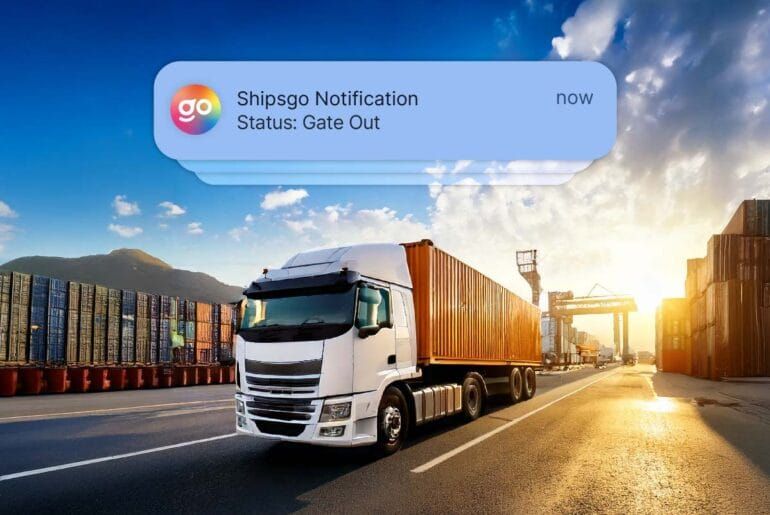
Container Gate-Out is a shipping milestone indicating that a container has officially left the port terminal or container yard. This status confirms that the container has been released from terminal custody and is on its way to its next destination—typically the consignee's warehouse, a distribution center, or another inland location.
For import shipments, Gate-Out is one of the final milestones before delivery. It provides importers, exporters, freight forwarders, and logistics teams with confirmation that cargo is moving toward its final destination.
If you're tracking a shipment, seeing the Gate-Out status means your container has completed terminal handling and is now in inland transportation.
Container Gate-Out at a Glance
| Item | Description |
|---|---|
| Meaning | Container leaves the terminal |
| Occurs | After customs release and pickup |
| Stage | Import process |
| Who benefits? | Importers, exporters, freight forwarders |
| Why it matters | Improves shipment visibility and delivery planning |
What Happens Before Gate-Out?
Before a container reaches the Gate-Out milestone, several operational steps must be completed.
The typical process is:
- Vessel arrives at the destination port.
- Container is discharged from the vessel.
- Customs clearance is completed (if required).
- Shipping line releases the container.
- Truck appointment is scheduled.
- Container is picked up from the terminal.
- Gate-Out status is recorded.
Only after these steps does the container officially leave the terminal.
Why Is Gate-Out Important?
Gate-Out provides valuable visibility into the shipping process.
It helps logistics teams:
- Confirm cargo pickup
- Plan warehouse operations
- Schedule truck arrivals
- Estimate final delivery
- Reduce unnecessary storage costs
- Improve customer communication
For businesses managing multiple shipments, Gate-Out serves as a reliable milestone that confirms the cargo is no longer waiting at the port.
Container Gate-Out vs. Gate-In
Although both milestones involve terminal gates, they occur at completely different stages of the shipping process.
| Gate-In | Gate-Out |
|---|---|
| Container enters terminal | Container leaves terminal |
| Export process | Import process |
| Before vessel loading | After cargo pickup |
| Beginning of terminal handling | End of terminal handling |
How Long After Gate-Out Is Delivery?
Delivery time depends on several factors, including:
- Distance from the port
- Truck availability
- Traffic conditions
- Customs procedures
- Warehouse appointment schedules
Many local deliveries are completed within a few hours, while longer inland routes may take several days.
Can Gate-Out Be Delayed?
Yes.
Common reasons include:
- Customs inspections
- Missing documentation
- Terminal congestion
- Truck shortages
- Payment holds
- Port operational delays
Tracking Gate-Out allows logistics teams to identify these delays earlier and communicate expected delivery timelines more accurately.
How Can You Track Container Gate-Out?
Most shipping lines publish Gate-Out information once the container exits the terminal.
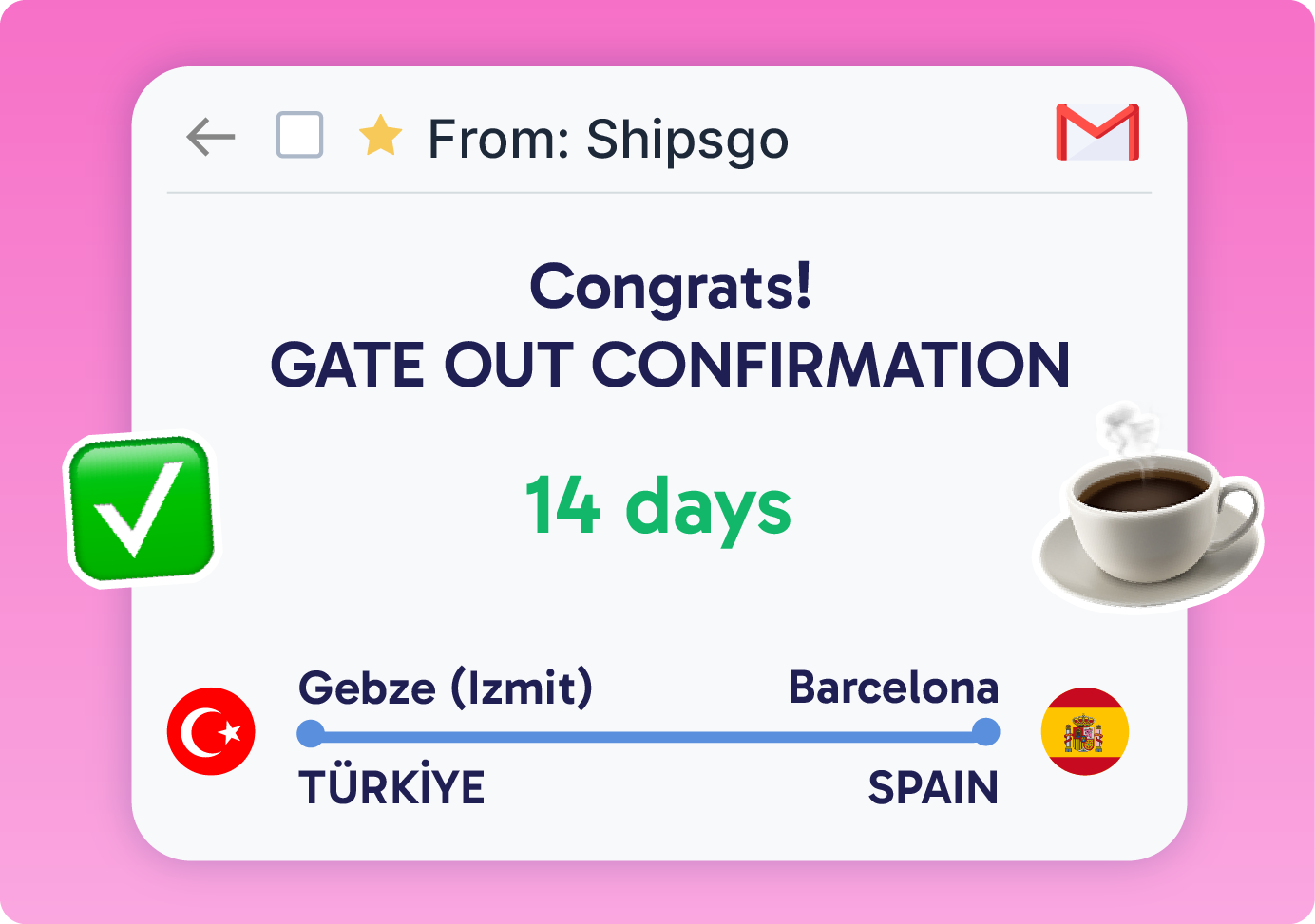
With Shipsgo Container Tracking, you can monitor this milestone automatically without visiting multiple carrier websites.
Shipsgo provides:
- Real-time shipment tracking
- Gate-In and Gate-Out milestones
- Vessel movements
- ETA updates
- Container event history
- Tracking for 160+ ocean carriers
This centralized visibility helps businesses manage shipments more efficiently throughout the supply chain.
Start Tracking Your Container
Knowing when a container leaves the terminal is essential for planning deliveries and improving supply chain visibility.
With Shipsgo, you can monitor Gate-Out, Gate-In, ETA updates, vessel movements, and dozens of other shipping milestones in one place.

Real-Time Shipment Tracking