
Why Empty Container Shortages Matter
Empty container shortages can delay shipments, increase costs, and disrupt supply chains. Learn what causes them and how predictive equipment availability improves logistics planning.

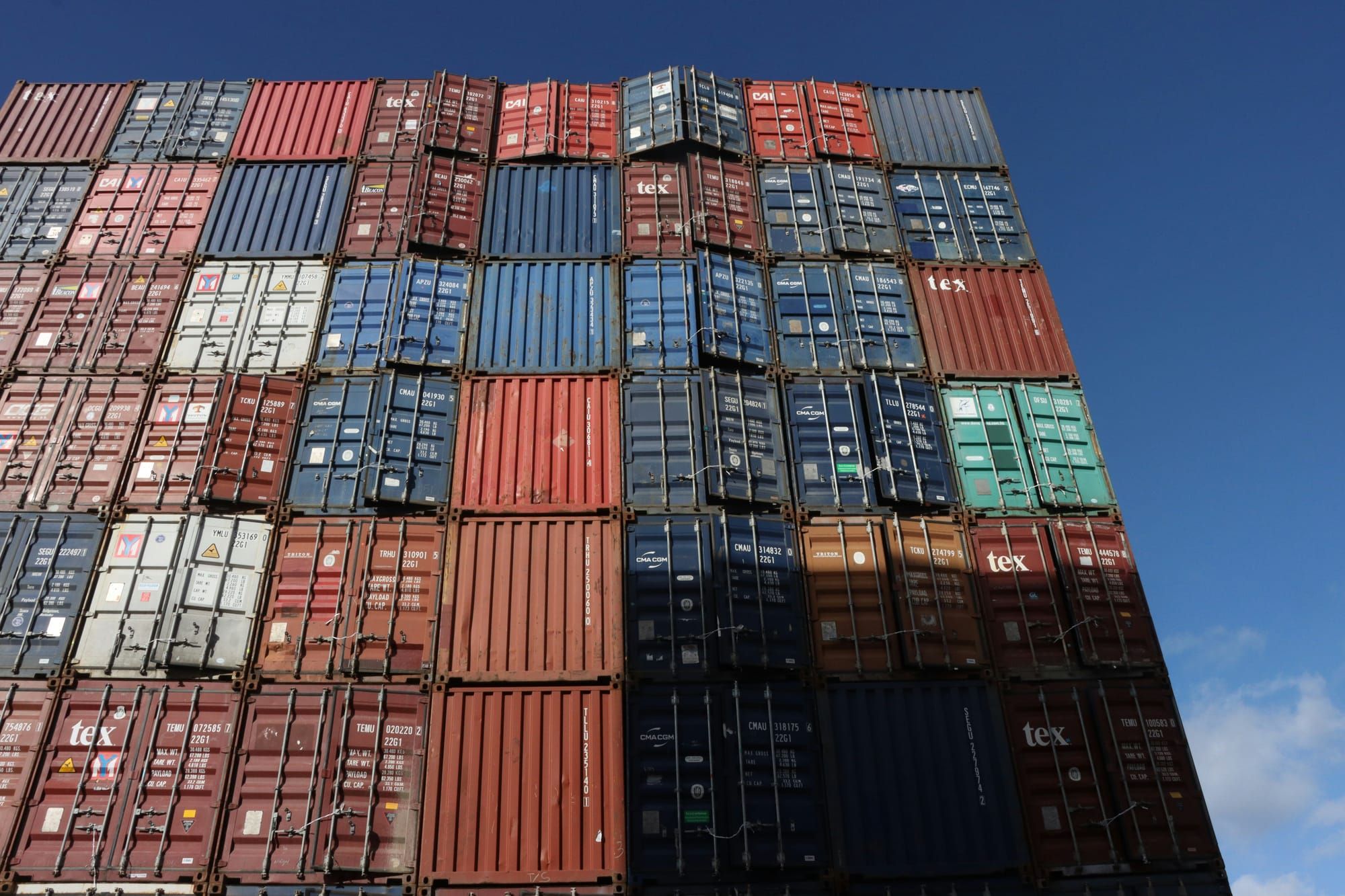
Empty container shortages happen when shipping containers pile up in the wrong ports instead of the right ones, driving up freight rates, delaying shipments, and straining global supply chains. Roughly a third of all container movement today is empty repositioning, not cargo, and it costs the industry billions of dollars a year.
What Causes Empty Container Shortages?
Trade flows are unbalanced. Huge volumes of goods move from Asia to North America and Europe, but return cargo is limited — so containers pile up empty at destination ports while origin ports run short. Peak seasons (Lunar New Year, Golden Week), port congestion, and geopolitical disruptions to major shipping routes make the imbalance worse.
Why It Matters: The Real-World Impact
- Higher freight rates — scarce containers on key lanes push shipping costs up sharply
- Shipment delays — cargo waits for equipment, throwing off production and delivery schedules
- Port congestion — idle containers clog terminals and slow operations for everyone
- Consumer price pressure — higher shipping costs often pass through to retail prices
- Small business risk — smaller importers/exporters get squeezed out first when equipment is scarce
Container Shortage vs. Container Surplus
The market swings fast. A demand slump can flood ports with excess empty boxes within months; a demand rebound can flip that into a scramble for equipment just as quickly. This volatility makes long-term freight planning genuinely difficult for shippers.
Why Visibility Matters More Than Ever
Traditionally, companies only discovered equipment shortages after contacting carriers or local depots.
Today, data-driven logistics makes it possible to identify potential shortages much earlier.
Having visibility into container availability allows logistics teams to:
- Plan shipments before shortages become critical
- Compare nearby ports with better equipment availability
- Adjust booking strategies earlier
- Reduce unnecessary storage costs
- Improve communication with customers
Instead of reacting to equipment shortages, companies can proactively manage their transportation plans.
The Role of Predictive Analytics
Historical trends provide valuable insights, but they only explain what has already happened.
Predictive analytics goes one step further by estimating future equipment availability based on historical movements, current market conditions, import/export balances, and vessel activity.
While no prediction can guarantee future conditions, early indicators help logistics teams prepare for changing market dynamics and make more informed operational decisions.
FAQ
What is an empty container shortage? It's a supply-demand mismatch where usable containers aren't available where and when shippers need them, even if enough containers exist globally.
Why do container shortages raise prices? Carriers charge more when equipment on a route is scarce, and shippers pay premiums to secure priority loading — costs that often reach consumers.
Is the container market still tight in 2026? It varies by region and route. Markets have swung between shortage and surplus in recent years, driven by demand shifts, peak seasons, and disruptions to major shipping lanes.
Empty container shortages aren't a niche shipping detail — they're a leading indicator of global trade health, and they show up in delivery times and prices for everyone.

Real-Time Shipment Tracking